Sompting Abbotts' virtual performance of Over the Rainbow touches hearts
/
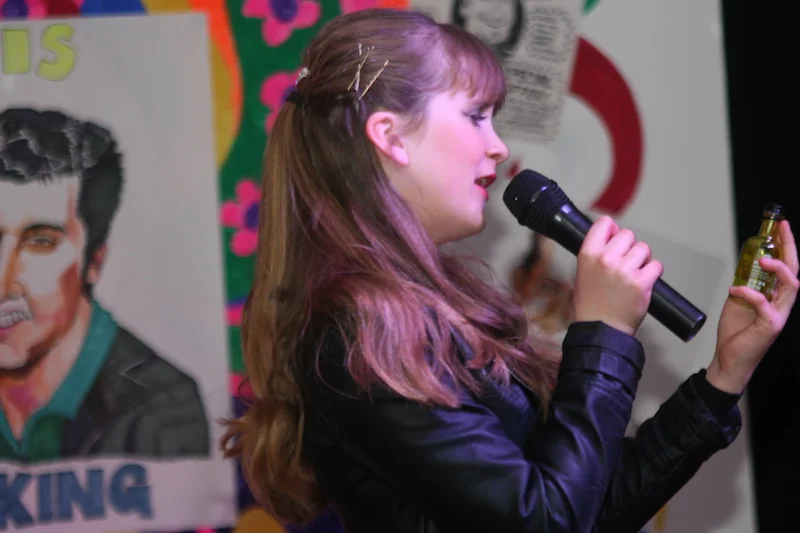
A virtual performance of the song Over the Rainbow made by children from Sompting Abbotts has been a viral hit on social media.
Read MoreA virtual performance of the song Over the Rainbow made by children from Sompting Abbotts has been a viral hit on social media.
Read MoreDo you wonder if your child might need some SEN support? Listening to what they’re saying about school and not brushing it off, is really important. Make a note of what they may say they dislike or (often) ‘hate’ or find ‘boring’ and you’ll probably have the cause of the problem right there. Your first action is to talk to teachers/specialist teachers or your Special Educational Needs Co-ordinator. They’ll direct you to the right professional for help and can signpost ways your child can be supported, whether there’s a specific learning difficulty or not.
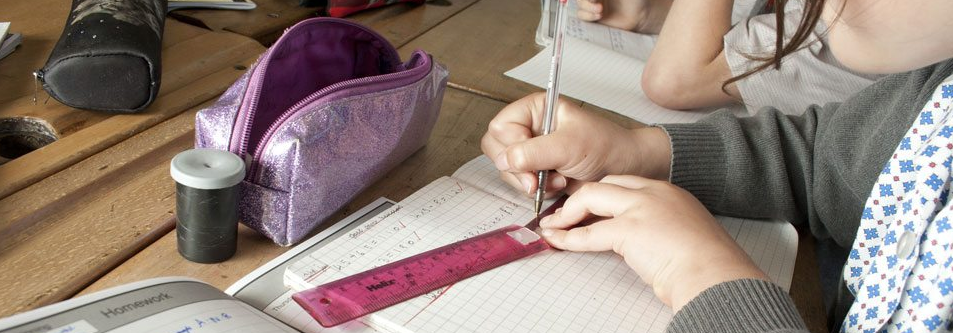
Read MoreDo girls and boys learn Maths differently? How does Dyslexia affect Maths learning? How to help more girls see the appeal of STEM careers? Read on to discover the answers. Article by Sompting Abbotts' Maths Specialist Angela Farley
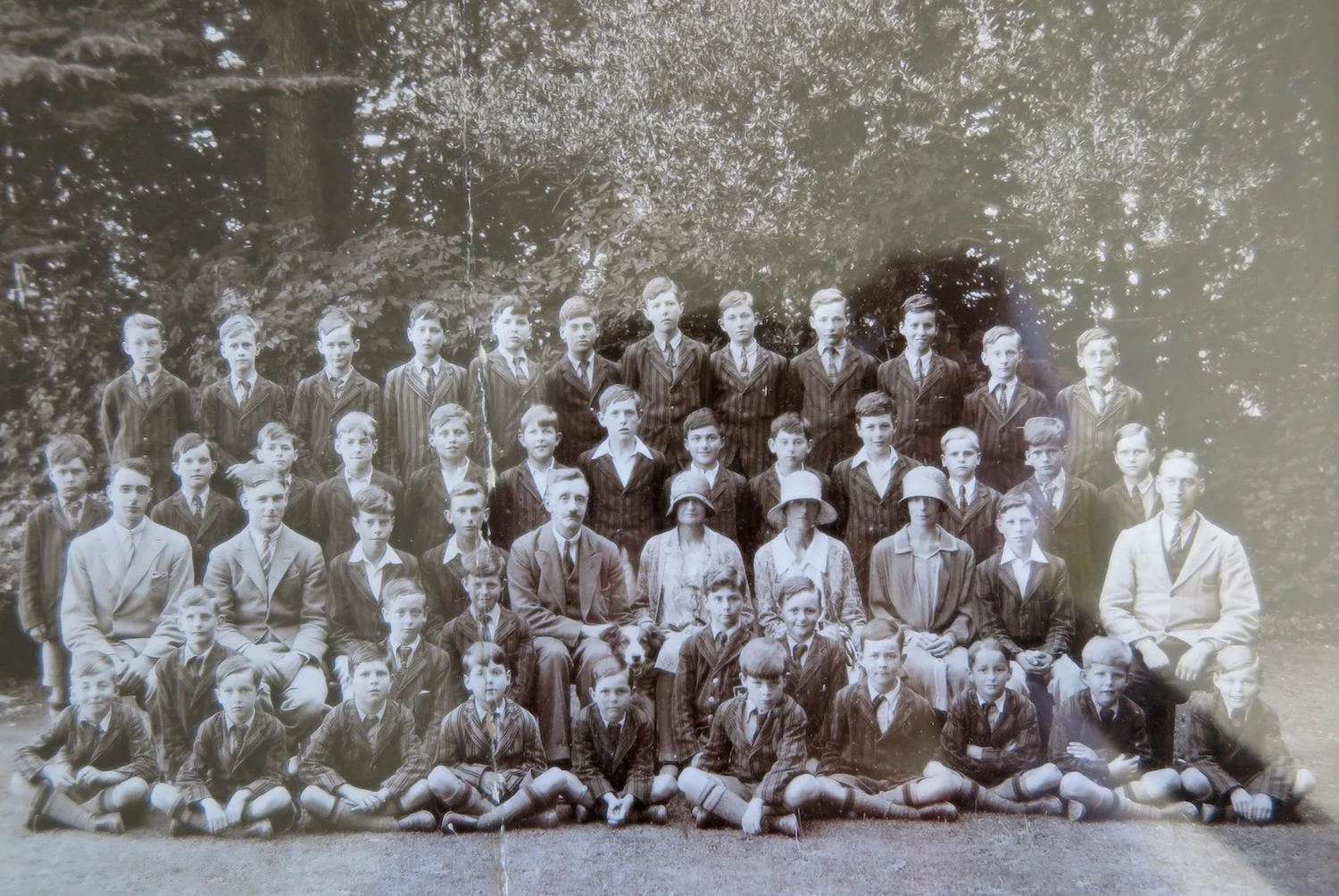
Read MoreTuck boxes, inkwells, weekly baths, Sunday letter writing … Life for pupils at Sompting Abbotts was very different in the 1960s compared to today! Luckily, we have a colourful glimpse into the past thanks to Old Abbottonian Dr Richard Stillman who has written this vivid account of his memoirs. Dr Stillman, now a retired GP, attended the school from 1960 to 1964 and was aged 8 when he arrived.
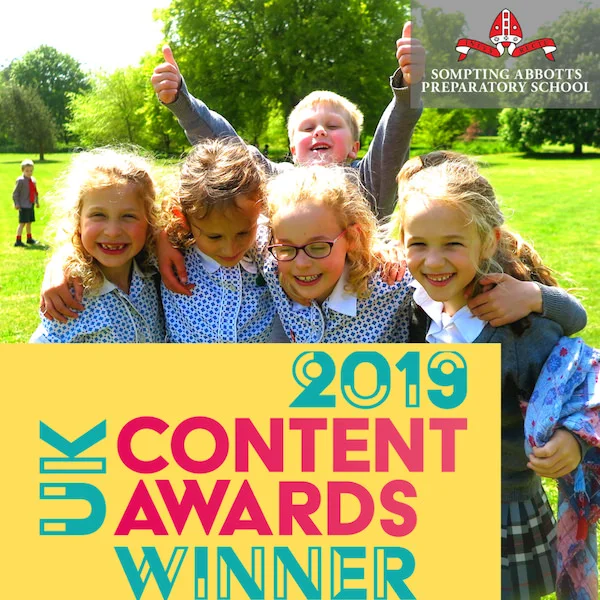
Read MoreSompting Abbotts’ website and digital content has won national recognition and been named a winner at the UK Content Awards 2019. It came runner-up to the Open University and against stiff competition of many well-known organisations in its shortlist category of 10.
Read More
Some children come bounding into school ready to learn. Others are less eager and do just enough to get by.
Maybe you have a child who’s a consistent high achiever. But most children go through different phases. Perhaps you see something of your child in one of these descriptions?
Conscientious and high-achieving? Smart but distracted? Sensitive and perfectionist? Quiet and compliant? Lost somewhere in the middle? Able but uninspired? Convinced they’re not ‘academic’? Coasting and under-achieving? Struggling and discouraged? Disinterested and demotivated?
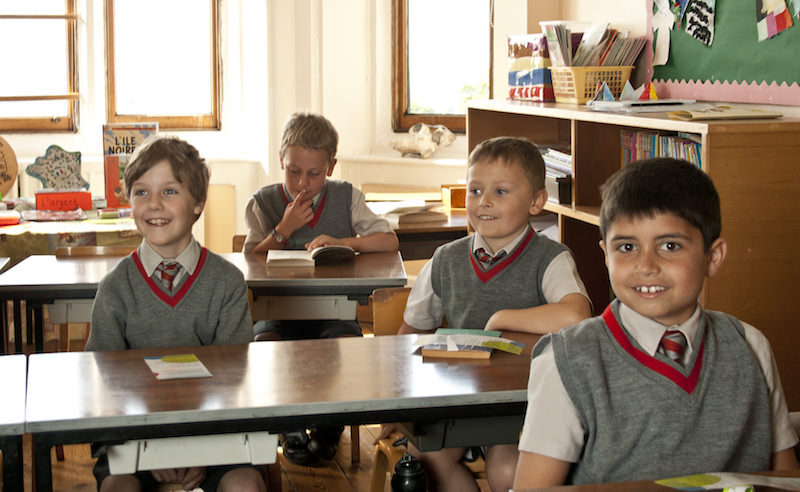
So how can a school cater best to all these different personality types, teaching approach requirements and developmental stages? Part of the answer lies in smaller class sizes.
Research by the Education Endowment Foundation shows that a class group of under 20 students gives the best results. It states that it is during the primary school years that children get the most benefit from being in a small class.
At primary school age, children are still yet to develop the independent learning skills and self-discipline that they’ll have by the time they’re ready for secondary school.
By the age of 11 or 12, pupils will be better equipped to thrive and learn in a bigger group environment. So is at the primary school stage that smaller classes provide the maximum learning boost.
This fact is backed by the Department for Education’s Class Size and Education in England Evidence Report which states: “The evidence base on the link between class size and attainment, taken as a whole, finds that a smaller class size has a positive impact on attainment and behaviour in the early years of school.”
At Sompting Abbotts, class size is average 15 and we see better results. The more able children get the challenge they need. The 'coasters' are galvanised. The less able children – or those with SEND (special educational needs) – have more time with their teacher to receive the extra support they need.
Importantly, no child gets 'lost in the middle' or ‘forgotten in the crowd’.

In recent years, primary-school class sizes in the UK state sector have increased due to current funding cuts, putting additional pressure on teachers.
It is a tough ask for teachers to oversee a class of 30+ young children. It is difficult to do, even with the presence of a teaching assistant.
‘Managing’ is what you end up doing as a teacher when you’re confronted with a large class. Inevitably you have to gear your teaching to the middle ability to keep all children on task.
Spurts and dips are normal for children. They learn at different rates and it’s not always linear. Plateaus are not uncommon.
This could be because it is the way the child is developing right now. Or because other life issues are having an impact.
Teachers in a small class can judge this and respond in a measured way. This kind of stable support can be a big help when students are feeling overwhelmed by personal problems outside of school.

In a small class, the teacher has space and time to uncover children’s strengths, weaknesses and personality traits.
They can create a learning environment that is supportive and non-threatening and, importantly, where mistakes are viewed as inevitable and useful. This is why behavioural problems in a small class are the exception rather than the rule.
More time with each child also means more time to listen to them properly: to hear their special news, answer questions and explain tricky concepts.
According to the Department of Education, the UK has one of the largest average primary school class sizes of the OECD countries.
Hundreds of thousands of children are taught in classes of more than 30. This has been true for at least the last decade, although it’s become more common to have larger primary school classes recently – a fact that was underlined with the spacing issues that COVOD-19 imposed.
“Every child deserves to be stretched (carefully – they’re not pizza dough...). ”

Teachers in smaller classes are less inclined to assume ability in their classroom follows a ‘bell-curved’ distribution. They don't plan on the basis that there'll always be roughly three groups of children: the below average, average and above average.
They can be more nuanced to fine-tune teaching to unlock children’s motivations to succeed. The best teachers are the ones who believe in the success of every student they encounter.
Because all children deserve to be stretched. Carefully – they're not pizza dough. So they can achieve their full potential – whether their strengths are academic, music, sports, drama or art.
“All teaching and learning takes place within a context, and one important feature of school classrooms is the number of pupils in a class. Smaller classes can help teachers provide a more effective education.”

Smaller classes at primary school stage allows greater individualisation.
But push aside the academics. School is also a social experience.

Collaborative learning activities in small groups promote positive social interaction.
Emotional and social skills will be just as important in life ahead for children as their eventual exam results.
We’ve noticed that small classes benefit the quieter and less-motivated child and the confident and outgoing child because they favour participation.
In a small class, there’s full incentive for pupils to pay attention and get involved because it’s obvious when they don’t.
Often, the reason a quieter child doesn’t contribute is down to self-belief, not disinterest. In a large setting, when they feel insecure, they find it ‘scarey’ to put their hands up. So they let the self-assured ones hold sway.
But with the more relaxed atmosphere of a small class, a teacher can bring all children into group discussions.
For the confident child, the close collaboration of the smaller class also has benefits. They have to learn to be respectful – to listen, share ideas and be tolerant and patient.
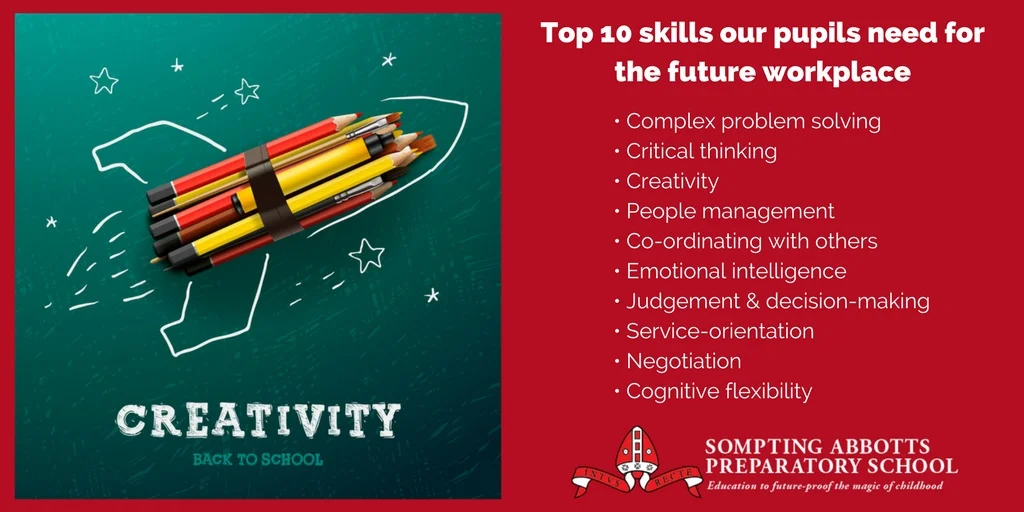
These are useful skills. The World Economic Forum says the most in-demand future workplace skills will be these: critical thinking; problem-solving; collaboration; co-operation; adaptability; communication; initiative and curiosity.

Class discussion in Year 2 class at Sompting Abbotts. The average teacher-child ratio at the school is 1:15
“The gains from smaller class sizes are likely to come from the increased flexibility for organising learners and the quality and quantity of feedback the pupils receive.”
Do smaller classes lead to better outcomes? In our experience, they do. We believe that the foundation for children's future success are laid down during the crucial primary school years.
Giving children ‘the best start in life’ is a cliché (it features on a lot of school prospectuses!). But we are convinced that equipping children young is a longstanding gift.
There is truth in the saying: “Start children off on the way they should go, and even when they are old, they will not turn from it.”

Attention-challenged children focus more in smaller settings
We agree with Peter Blatchford, Professor of Psychology and Education at the UCL Institute of Education. He states: “Careful moment-by-moment systematic observation of pupils shows that class size affects the amount of individual attention pupils receive, and their engagement and active involvement in class.”
As the Education Endowment Foundation reports: “The gains from smaller class sizes are likely to come from the increased flexibility for organising learners and the quality and quantity of feedback the pupils receive.”
However, the real evidence comes for our staff from our own parents. "I can't believe how well you know my child," is something at parents evenings that we often hear them say.
And for us, that’s the greatest proof.
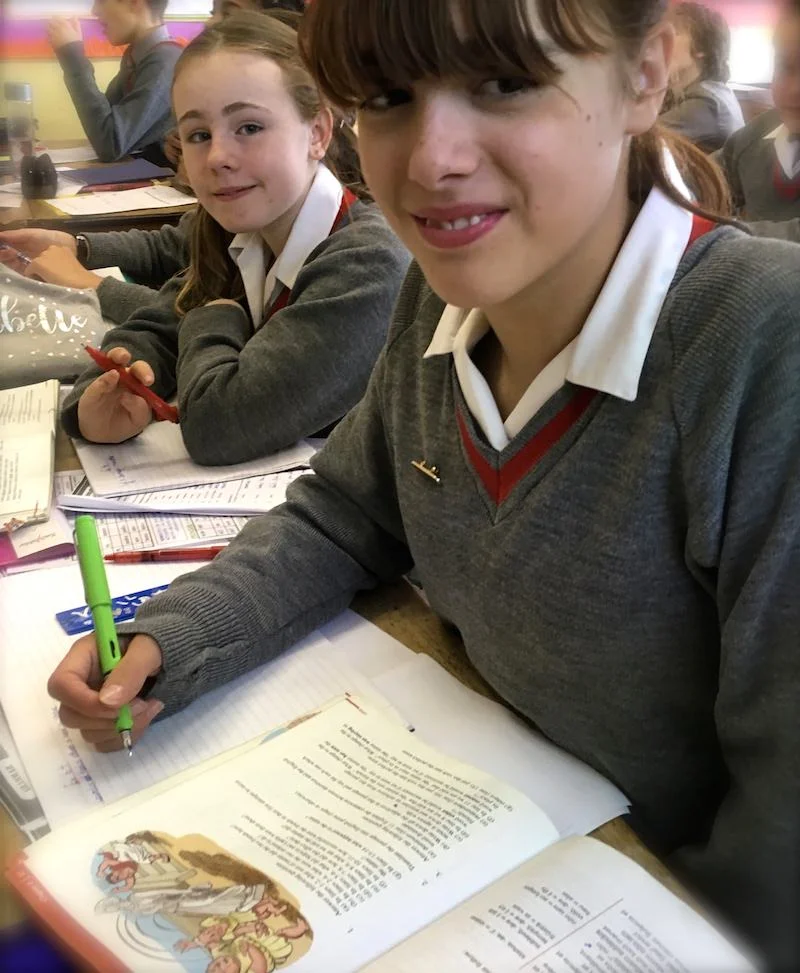
What's it like to be a pupil at Sompting Abbotts Preparatory School? Annabelle, Year 8, won the Ken Shearwood All Rounder Scholarship Award to Lancing College. She says that she benefitted from the small class sizes at Sompting Abbotts and her "inspiring and supportive" teachers.
“Intuitively, it seems obvious that reducing the number of pupils in a class will improve the quality of teaching and learning, for example by increasing the amount of high quality feedback or 1-1 attention learners receive. However, overall, the evidence does not show particularly large or clear effects until class size is reduced substantially to fewer than 20 or even 15 pupils. It appears to be very hard to achieve improvements from modest reductions in class size to numbers above 20, for example from 30 to 25. Overall the evidence does not show particularly large or clear effects, until class size is reduced substantially. The key issue appears to be whether the reduction is large enough to permit the teacher to change their teaching approach.”
Sompting Abbotts places a strong emphasis on the performing arts. In different ways, we seek to boost pupils’ confidence and communication skills because we know these will be invaluable to their lives ahead. Self-confidence is gained from each tiny success, which leads to more success. Learning to perform and speak in public are essential skills that will be transferable to the children’s adult lives.
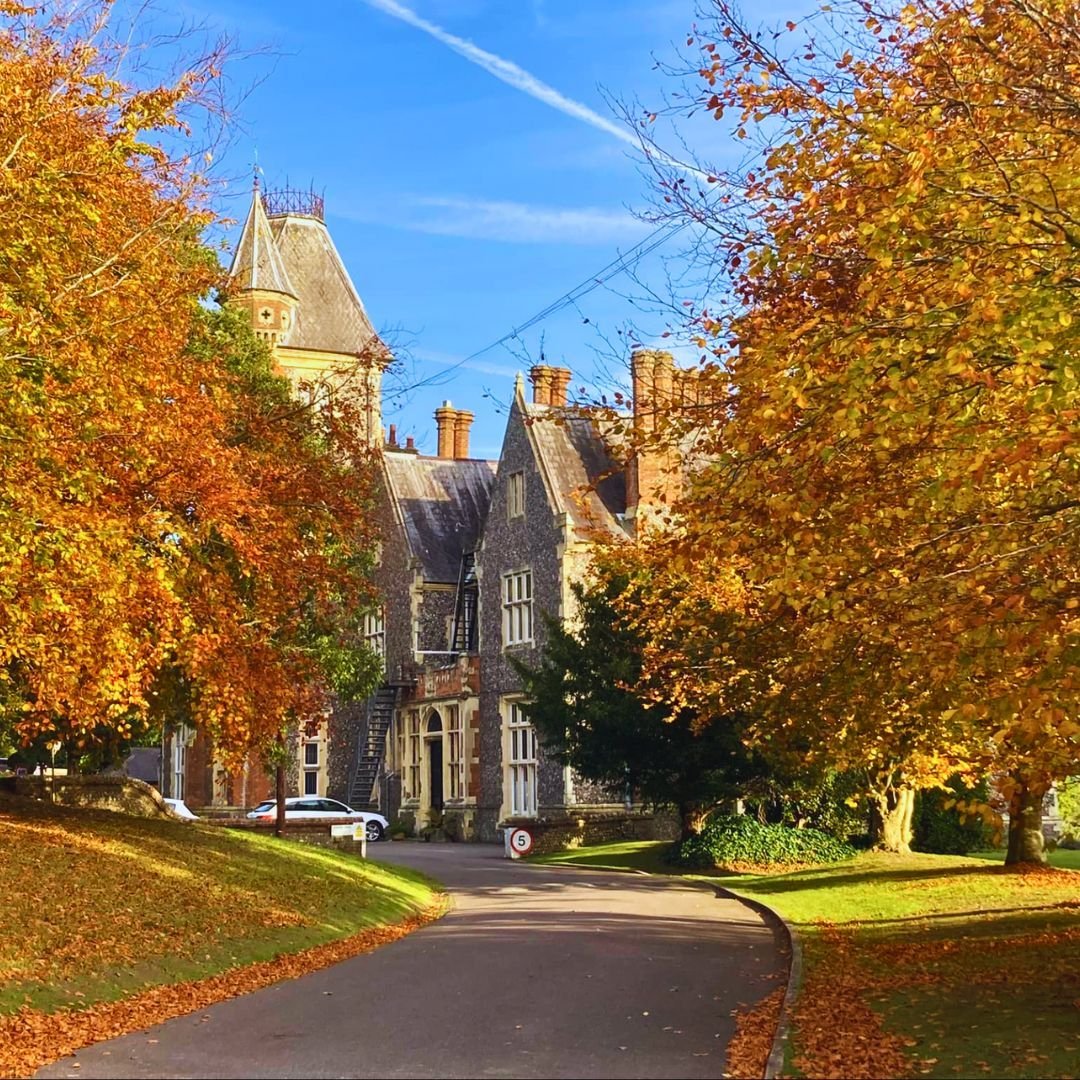
Read MoreSompting Abbotts Prep School is set to hit cinema screens around the UK as the location for BAFTA-award-winning Director Toby MacDonald’s new film Old Boys. The school’s Grade II-listed Neo-Gothic building and well-preserved interior made it the perfect backdrop for the film set in a posh English boys’ boarding school called Caldermount during the 1980s.
Read MoreThere’s something different about Sompting Abbotts’ school library. It’s run by the children themselves! Some people might think that libraries are antiquated. They carry something called ‘books’ that people can borrow! But we believe children’s access to books is critical for brain development and academic success – doubly so in the digital age.
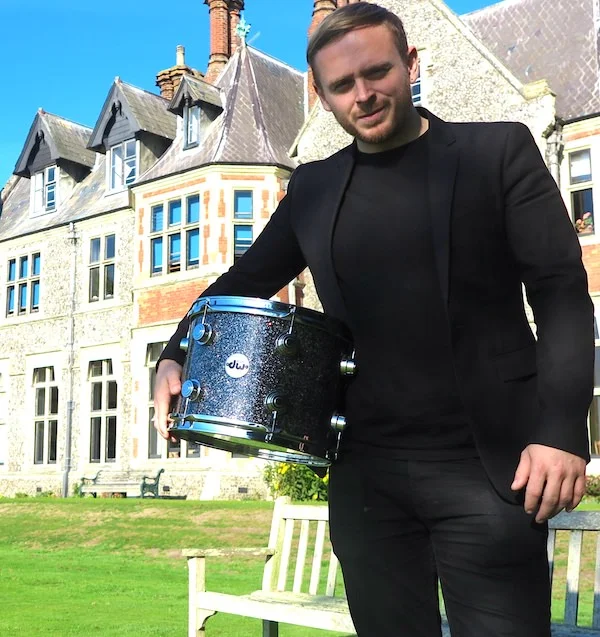
Read MoreAs a boy, Ben Thompson was a fidgety pupil. He recalls exasperating teachers at Sompting Abbotts Prep School with his incessant tapping on his desk. Today, he’s still tapping! He's now a drummer with chart-topping Indie band Two Door Cinema Club and in-demand session performer. Ben talked to us about his life and career.
Read MoreWhat is the Common Entrance exam? Stuart Douch, Headmaster of West Sussex private school Sompting Abbotts Preparatory School, has the answers to all your questions. Firstly, it’s unique and not that 'common'. It's a series of examinations taken by children in the Summer term of Year 8. These prepare children superbly for GCSE.
Read MoreDon’t think you have to take your child to the Open Day. But, if your child is mature enough to come along, then definitely take them with you. Don’t rely on the school inspection report. They tell you little about the school’s ethos. Don’t turn down a school tour from a pupil. Don’t rely on the marketing materials. To get behind the gloss, there’s nothing like actually visiting a school.
Read MoreCelebrated novelist Alex Preston recalls his memories of his Worthing independent school Sompting Abbotts: "I saw the school, fell in love with it, and begged to be sent there. It was all of my Jennings/Malory Towers fantasies rolled into one gothic dream of a building."
Read MoreSompting Abbotts Preparatory School is an independent school in Sussex that owes its existence today to two families and their descendants. Those families were the Rutherfords and the Sinclairs. We're lucky enough to be able to travel back in time through their memoirs.
Read MoreFormer Sompting Abbotts pupil and best-selling author Alex Preston on the books that inspired him most as a child. A few weeks ago, one of the teachers at my son’s school, who also happens to be the mother of a particularly winning little 9-year-old, asked me to put together a list of books I’d recommend to boys our sons’ age.
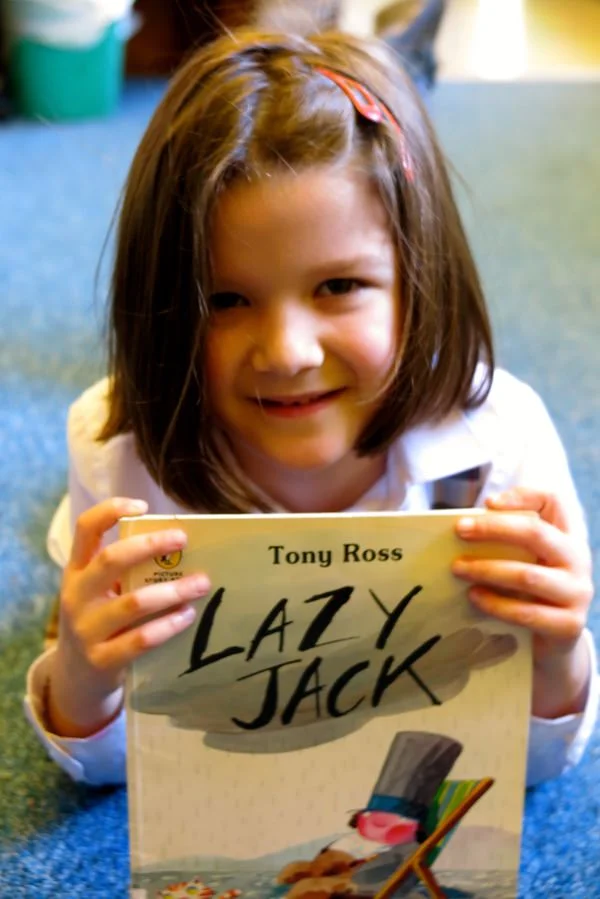
Read MoreSompting Abbotts’ teachers pooled their knowledge and experience to create this list of top 30 books for Key Stage 1 children. It's across the ages of five and seven – in school terms this is Key Stage one: Reception, Year 1 and Year 2 – when most children learn to read. Whether your children are reading alone or you’re reading to them, there’s some inspiring book choices here!
Read MoreHere's Pre-Prep Co-Head Mrs Carrington's top 10 books for pre-schoolers. She says: "I always try to match books to children’s interests but there’s a few ‘secret sauce’ ingredients the best books have to show to really grab the attention of children in the age 2 – 4 year group."
Read MoreMany jobs our children will be applying for haven’t yet been invented. But certain skills will be key to help them succeed in the new professional landscape. It’s abilities such as leadership, collaboration, problem solving, creativity and analytical thinking that they'll need to cope with technological innovation such as artificial intelligence, robotics and more. We talked to Mark Brotherton, Director of Education with the IAPS, to ask how prep schools can best prepare pupils to thrive in the workplace ahead.
Read MoreOld Abbottonian Nicholas (Nick) Linfield was awarded an OBE for his Services to Defence in the 2017 New Year’s Honours List. It’s 50 years since Nick began his education at West Sussex independent school Sompting Abbotts. We invited him to talk about his education and career – and to reveal why he’s proud to be the only former pupil on the school’s scholarship Honours’ Boards whose son and daughter feature there too …
Read MoreShould you send your child to a prep school? Is prep school the best way to invest in your child’s future? Or should you save your money for senior school? Or even just for the sixth-form years? It’s a fair question. Here's some good advice if you're mulling it over …
Read MoreFor this year’s show at Sompting Abbotts, Oliver! Jr., director Mrs Turton brought Lionel Bart’s beloved musical to life with incredible energy and talent. A huge well done to all our amazing performers, as well as the so many staff and so many parents who helped bring it all together.
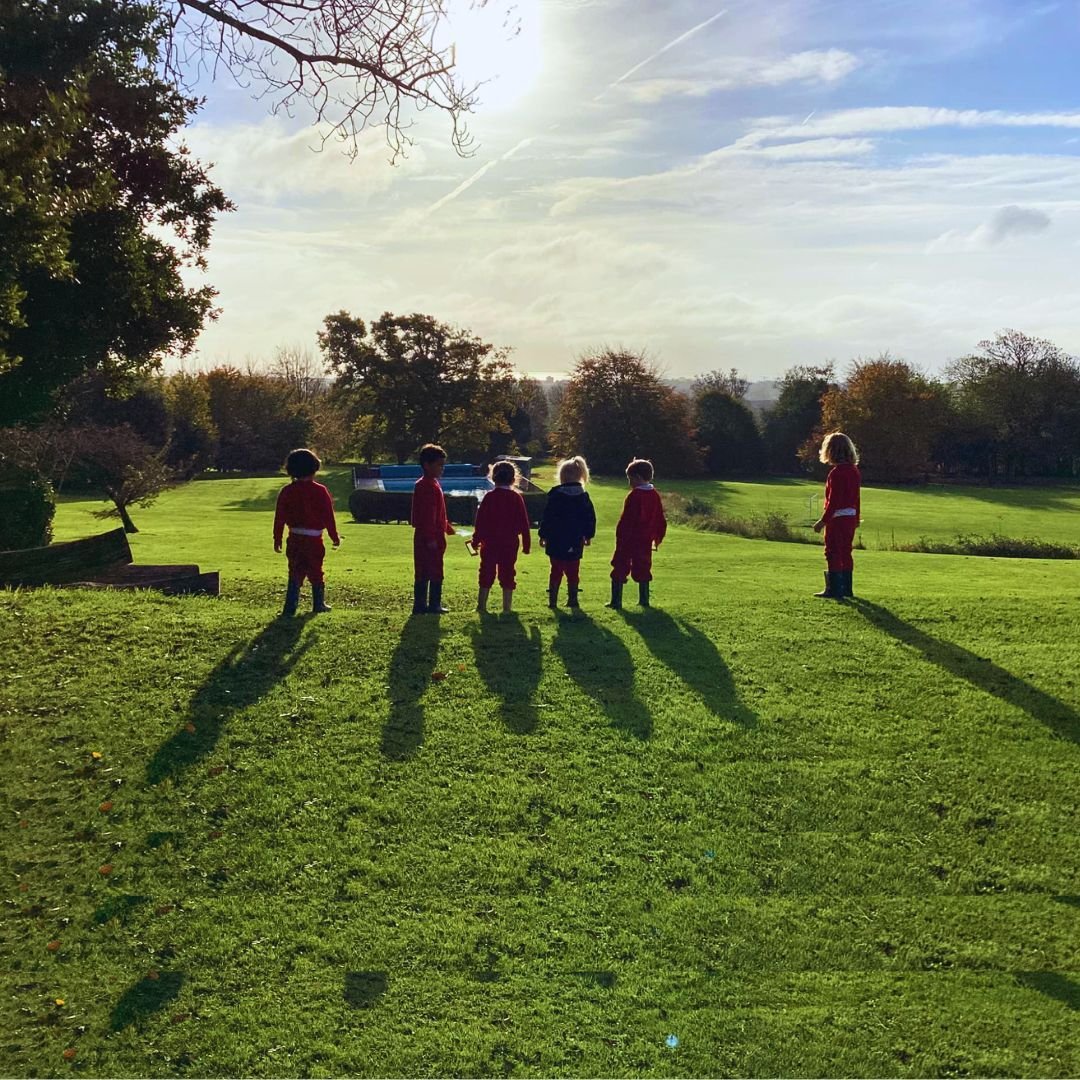
At Sompting Abbotts, we adopt a school-wide ethos that embodies our commitment to the environment. Its principles – 'Embrace Nature; Embrace Learning; Embrace Childhood' – are threaded through our teaching, influencing every child's journey from Pre-Prep to Upper Prep. Our 30-acre grounds and woodland in the South Downs National Park are at its roots.
Pupils have been working as dissection detectives in the science lab at Sompting Abbotts Prep School. They have been investigating Barn Owl pellets found in the school grounds.
What child doesn’t love to collect handfuls of glossy brown conkers? At Sompting Abbotts, they don't just fill their pockets — even socks become makeshift pouches. And so, at this time of the year, we send the children out into our school grounds to look for shiny conkers (not that they need any persuading).
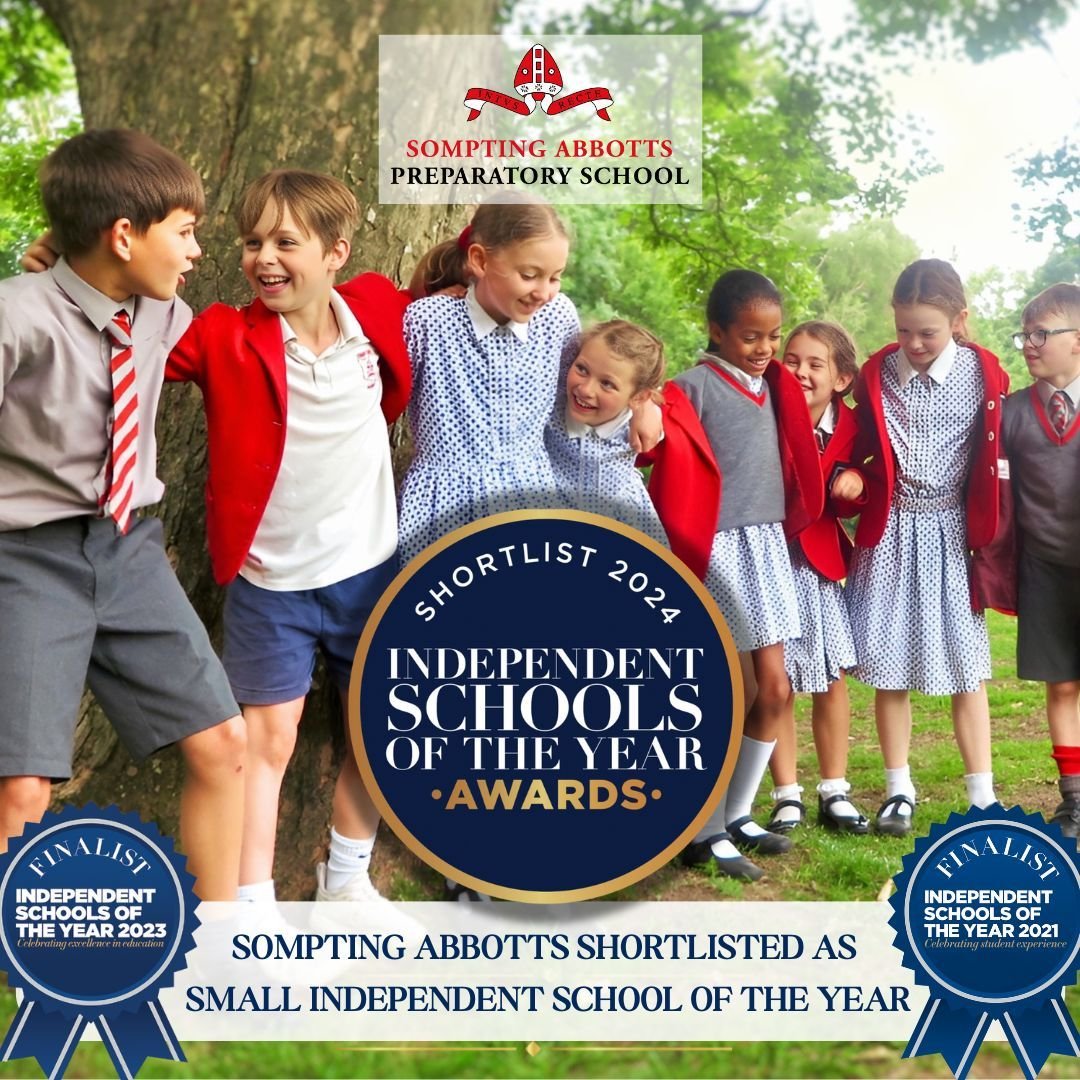
Following our earlier announcement in July of the shortlisted entries for the Independent Schools of the Year 2023 awards, we're delighted Sompting Abbotts Preparatory School has been selected as a Finalist in the Independent School of the Year for Environmental Achievement category.
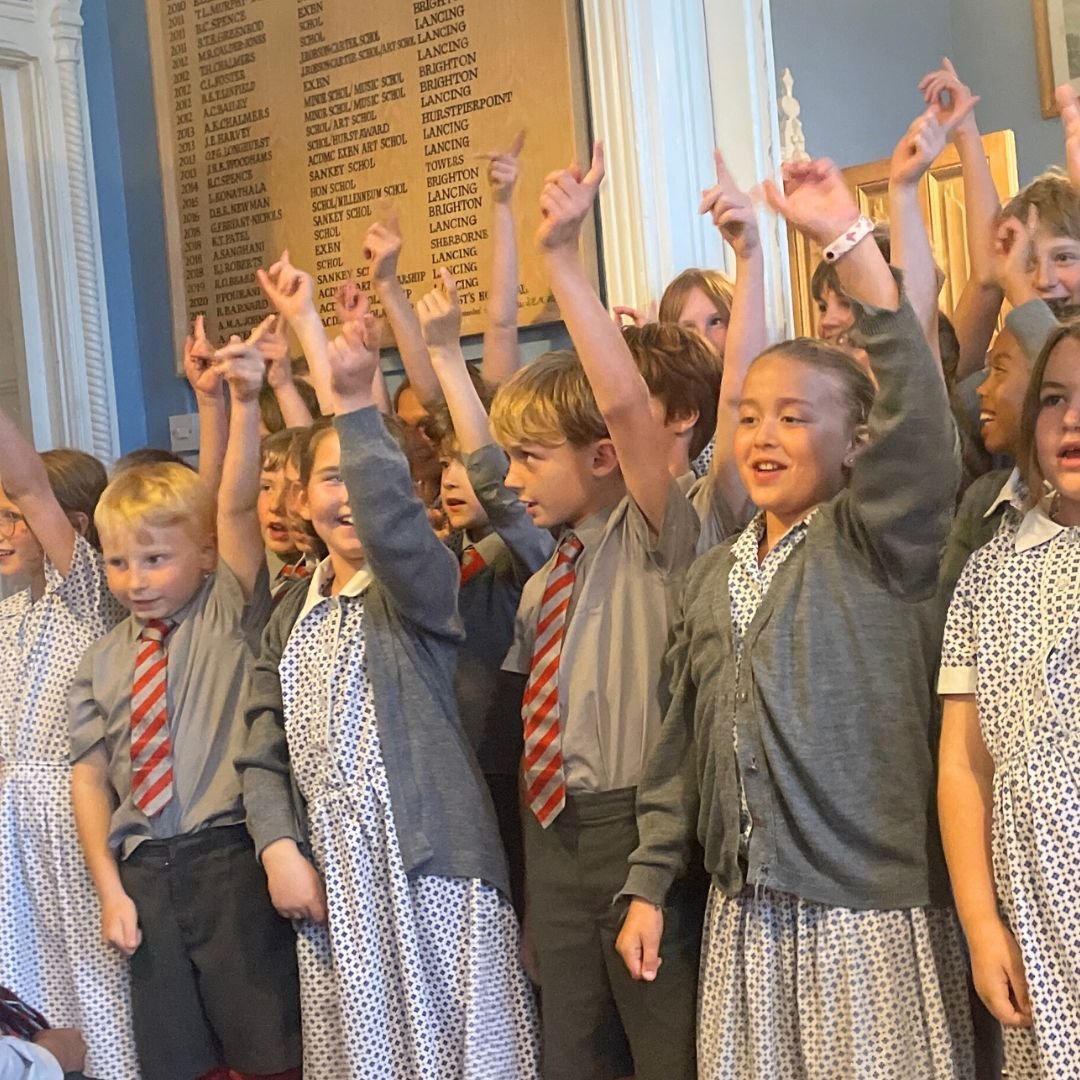
Sompting Abbotts’ annual Speech Cup of Poetry and Performance saw every child from Years 3 - 8 learn and recite a poem by heart! The best performances were chosen at a special competition in front of an audience of their peers and their parents. It was judged by an external expert adjudicator.




© Sompting Abbotts School Ltd. Companies House registration number 417499: Registered office: Sompting Abbotts School Ltd, Church Lane, Sompting, West Sussex, BN15 0AZ. Tel: 01903 235960. Sompting Abbotts Preparatory School is an independent school in West Sussex, located near Worthing, Steyning and Brighton. It is a member of the Independent Association of Preparatory Schools. Bursaries /financial assistance may occasionally be awarded to suitable applicants in cases of genuine demonstrated financial need. Contact: The Principal, David Sinclair, Church Lane, Sompting, West Sussex, BN15 0AZ. Email: info@somptingabbotts.org.uk Website Privacy Notice. Terms & Conditions. Cookies. Website concept, design, videography, photography and copywriting by www.connectedcopy.co.uk